

Creatine Supplementation: Facts, Fiction, and Scientific Evidence
Creatine Supplementation: Facts, Fiction, and Scientific Evidence Read More »


The article by Bhave et al. (2024) explores the connection between ultra-processed food consumption and adverse brain health outcomes, including cognitive impairment and stroke. Using data from the REGARDS study, it found that increased UPF intake correlates with higher risks of cognitive issues and stroke, independent of dietary guidelines.
Ultra-Processed Foods: A Neurological Risk to Brain Health Read More »

The article by Jovanovski et al. (2018) reviews the impact of psyllium fiber on LDL cholesterol and other lipid markers through systematic analysis of 28 trials. Results indicated significant reductions in LDL, non-HDL cholesterol, and apoB levels, supporting psyllium’s role in reducing cardiovascular disease risk. Evidence quality varied, being moderate to high.
Psyllium Fibre’s Impact on Cholesterol and Lipid Markers Read More »
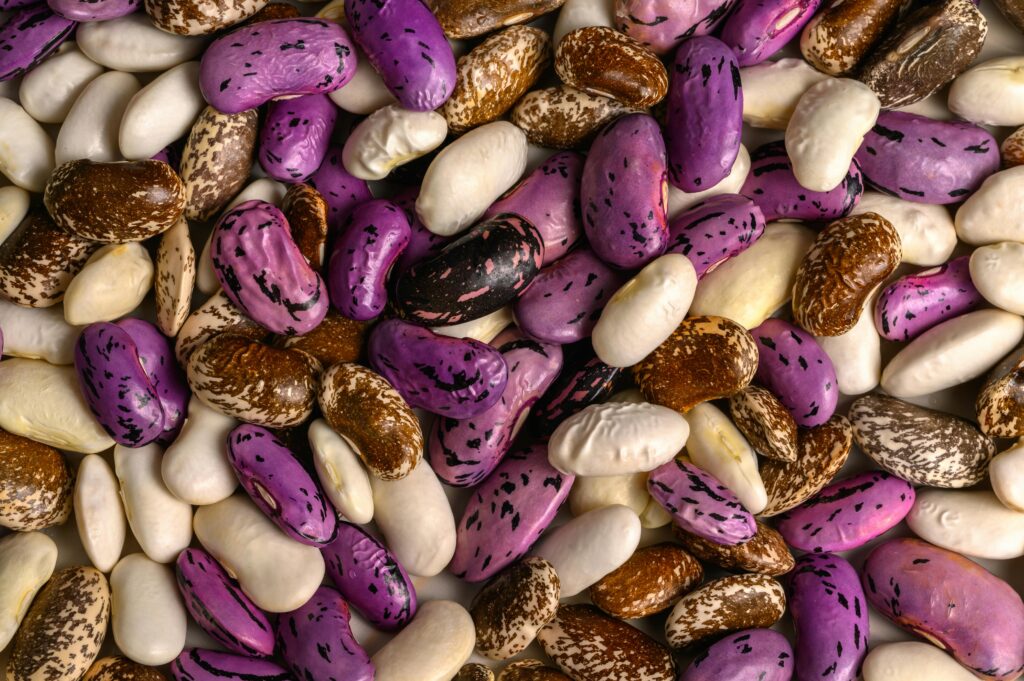
The study by Doma et al. (2021) investigates the effects of canned beans on reducing total and LDL cholesterol in adults with high LDL levels. Consuming 1 cup of various canned beans daily significantly lowered cholesterol compared to white rice. Results support using this dietary strategy for cardiovascular health.
Canned Beans Lower Cholesterol Study Read More »

A study investigated the effects of apple cider vinegar (ACV) on weight management in overweight adolescents and young adults in Lebanon. The randomized trial showed significant reductions in body weight, BMI, and metabolic markers over 12 weeks, with no reported adverse effects. Results support ACV’s potential as a natural obesity intervention.
Apple Cider Vinegar and Weight Management Read More »

The article reviews modifiable risk factors for stroke, dementia, and late-life depression, noting significant disease overlaps. An analysis of 182 meta-analyses identified 17 key factors influencing disease burden, emphasizing hypertension and cognitive activities. Findings support holistic preventive strategies while addressing methodological limitations and biases in studying these conditions.
Modifiable Risks for Stroke, Dementia and Depression Read More »

The article examines how regular black tea kombucha consumption affects gut microbiota in individuals with normal weight versus those with obesity. An 8-week study revealed kombucha improved beneficial bacteria, particularly in obese participants, while reducing obesity-associated genera. Overall, kombucha positively influenced microbiota, suggesting its potential benefits for obesity management.
Kombucha and Gut Microbiota in Obesity Read More »

The study by Biyikoglu et al. (2025) explored acute metabolic effects of carbohydrate restriction with different energy levels in overweight participants. Results indicated significant metabolic changes, including reduced postprandial TAG and shifts toward fat oxidation. Carbohydrate restriction may enhance cardiometabolic health, despite small sample size and acute response limitations.
Intermittent Fasting, Carbohydrate Restriction and Postprandial Metabolism Read More »

The article by Mohammed et al. critically examines the potential of metformin as an anti-aging drug beyond its diabetes treatment role. While evidence suggests metformin can enhance healthspan by reducing various disease risks, its ability to extend lifespan directly remains controversial. Ongoing studies aim to clarify its broader benefits in aging.
Metformin: An Anti-Aging Drug? Read More »